
Thar Amhrais Réasúnta

.jpeg)


Language




The True Gospel
e


The spiritual path begins with a direct call from Yeshua: “Repent, for the kingdom of heaven is at hand.” This imperative is the doorway to salvation—a foundational, inward shift away from sin and a fallen world, and a redirection of the heart toward the sovereign authority of God.
-
Matthew 4:17 — “From that time Jesus began to preach, and to say, ‘Repent: for the kingdom of heaven is at hand.’”
-
Mark 1:15 — “And saying, ‘The time is fulfilled, and the kingdom of God is at hand: repent ye, and believe the gospel.’”
2. The Doorway: Water Baptism and the Holy Spirit
Following the resurrection and ascension of Yeshua, Peter declared the active steps of covenant entry at Pentecost: turning in repentance, being buried with Messiah in baptism, and receiving divine empowerment through the Spirit.
-
Acts 2:38 — “Then Peter said unto them, ‘Repent, and be baptized every one of you in the name of Jesus Christ for the remission of sins, and ye shall receive the gift of the Holy Ghost.’”
-
John 3:5 — “Jesus answered, ‘Verily, verily, I say unto thee, Except a man be born of water and of the Spirit, he cannot enter into the kingdom of God.’”
3. The Blood: Grafted into the Commonwealth of Israel
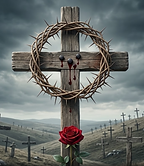
By the blood shed on the tree, the dividing wall of hostility was torn down. Nations once alienated from the promises and covenants are brought near and grafted as wild olive branches into the root of Israel.
-
Ephesians 2:12–13 — “That at that time ye were without Christ, being aliens from the commonwealth of Israel, and strangers from the covenants of promise, having no hope, and without God in the world: But now in Yesgua messiah ye who sometimes were far off are made nigh by the blood of Christ.”
-
Romans 11:17 — “And if some of the branches be broken off, and thou, being a wild olive tree, wert graffed in among them, and with them partakest of the root and fatness of the olive tree.”
4. The Commission: Gathering Others into the Harvest
Salvation is not walked in isolation; a grafted branch bears fruit. Believers are commanded to act as fishers of men and ambassadors, working to gather the lost into the Father’s house before the end.
-
Matthew 28:19–20 — “Go ye therefore, and teach all nations, baptizing them in the name of the Father, and of the Son, and of the Holy Ghost: Teaching them to observe all things whatsoever I have commanded you.”
-
Matthew 9:37–38 — “Then saith he unto his disciples, ‘The harvest truly is plenteous, but the labourers are few; Pray ye therefore the Lord of the harvest, that he will send forth labourers into his harvest.’”
-
Luke 14:23 — “And the lord said unto the servant, ‘Go out into the highways and hedges, and compel them to come in, that my house may be filled.’”
5. The Perseverance: Holding Fast Until the End
The culmination of salvation requires endurance through trials, testing, and persecution. The promise of the eternal crown belongs to those who do not turn back.
-
Matthew 24:13 — “But he that shall endure unto the end, the same shall be saved.”
-
Hebrews 10:35–36 — “Cast not away therefore your confidence, which hath great recompence of reward. For ye have need of patience, that, after ye have done the will of God, ye might receive the promise.”
-
Revelation 2:25–26 — “But that which ye have already hold fast till I come. And he that overcometh, and keepeth my works unto the end, to him will I give power over the nations.”
An Soiscéal Fíor
Níl áit ar bith sa scrioptúr a deir Yeshua go bhfuil an soiscéal faoi Eisean ag teacht chun bás ar ár bpeacaí.
Cad a Seanmóir Yeshua?
Bheadh ionadh ar go leor a fháil amach go sainmhíníonn an Bíobla an soiscéal ar bhealach difriúil ná mar a dúradh leo i gcónaí. Léiríonn léamh críochnúil nach bhfuil glacadh le fuil Chríost mar íocaíocht ar ár bpeacaí - chomh tábhachtach ó thaobh an dúshraith de - mar fhócas an "dea-scéala" a thug Sé agus gur lean na haspail ag seanmóireacht. Chomh maith le fáil bháis ar son ár bpeacaí, tháinig Yeshua go talamh mar theachtaire ó Iehova an tAthair:
Is é an dea-scéal ná gur ordaigh Iehova do Yeshua chun teacht a ríochta anseo ar domhan a fhógairt.
-
Eoin 8:38 Labhraím ar a bhfuil feicthe agam le m'Athair, agus déanann tú an rud a chuala tú ó d'athair.”
-
Eoin 12:49-50 Oir ní ar m'údarás féin a labhair mé, ach tá an tAthair a chuir uaidh mé féin tar éis ordú a thabhairt dom—cad atá le rá agus cad ba cheart a labhairt. 50 Agus tá a fhios agam go bhfuil a ordú an bheatha shíoraí. An méid a deirim, mar sin, deirim mar a dúirt an tAthair liom.”
-
Eoin 14:24 An té nach bhfuil grá aige dom ní choinníonn sé mo bhriathra. Agus an focal a chloiseann sibh ní liomsa é ach na hAithreacha a chuir uaidh mé.
-
Lúcás 4:43 Dúirt Iósa leo, “Caithfidh mé ríocht Iehova a shearmonú do na
cathracha eile freisin, óir is chuige seo a cuireadh mé."
Cé go raibh Yeshua categorically an duine aonair is tábhachtaí riamh chun siúl an domhain, léiríonn an Bíobla go soiléir nach raibh an soiscéal a thug Yeshua go simplí faoi Féin. Léigh a ráitis, agus cruthaigh seo duit féin:
-
Matha 9:35 Chuaigh Iósua trí na bailte agus na sráidbhailte go léir, ag teagasc ina sinagóga, ag seanmóireacht shoiscéal na ríochta, agus ag leigheas gach galair agus tinnis. 36 Nuair a chonaic sé na sluaite, ghabh sé trua leo mar bhí siad ciaptha agus gan chabhair, mar chaoirigh gan aoire.…
-
Marcas 1:14-15 Tar éis Eoin a chur i bpríosún, tháinig Iósa go dtí an Ghailíl ag seanmóireacht
soiscéal ríocht Dé, agus ag rá, "Tá an t-am comhlíonta, agus tá ríocht Dé ar láimh. Déan aithrí, agus creid sa soiscéal".
43
-
Lúcás 8:1 Ina dhiaidh sin, chuaigh Iósua trí gach cathair agus sráidbhaile, ag seanmóireacht agus ag tabhairt leis an scéal sásta faoi ríocht Dé.
-
Lúcás 16:16 Bhí an dlí agus na fáithe go dtí Eoin. Ón am sin i leith tá ríocht Dé á seanmóir, agus tá gach duine ag brú isteach inti.
-
Matha 24:14 Agus is fusa do neamh agus do thalamh bás a fháil ná mar a theipeann ar theideal amháin den dlí. Agus déanfar soiscéal seo na ríochta a shearmonú ar fud an domhain go léir mar fhinné do na náisiúin go léir, agus ansin tiocfaidh an deireadh.
Ba é fógra an “dea-scéala”—an scéal is fearr a d’fhéadfaí a chloisteáil inniu—a thug an tAthair trí Yeshua, faoina Ríocht a bheith bunaithe ar domhan. Cad is ríocht ann?
Is náisiún é go bunúsach, a bhfuil a chuid saoránach, a thalamh agus a dhlíthe go léir, á rialú ag rialtas. In úsáid an Bhíobla, is féidir le ríocht a bheith i gceist freisin le teaghlach ó thuismitheoir aonair tar éis fás ina náisiún.
Tá ceithre ghné bhunúsacha ag ríocht:
-
rí, rialóir uachtarach, nó gníomhaire rialaithe;
-
críoch, lena suíomh sonrach agus a línte teorann cinnte;
-
daoine is ábhar nó saoránaigh laistigh den dlínse chríche sin;
-
agus dlíthe agus foirm rialtais trína bhfeidhmítear toil an rialtóra. Má dhéanaimid neamhaird ar aon cheann de na heilimintí riachtanacha seo-má dhéanaimid neamhaird ar an teachtaireacht a thug Yeshua ón Athair-beidh creideamh as a riocht againn, creideamh nach dtabharfaidh slánú.
Cé a bheidh ina Rí?
Ní féidir aon amhras a bheith ann ach gurb é Yeshua Rí Ríocht Dé. Cé nach ndearna Sé aon údarás sibhialta a fheidhmiú agus é ar domhan, nuair a fhilleann Sé, beidh sé ina "Rí na ríthe agus Tiarna na dTiarnaí" I Timothy 6:15; Nochtadh 19:16; 17:14).
Rinne fáithe eile réamhinsint freisin go raibh rí ag teacht, ní hamháin ar Iosrael agus ar Iúdá, ach freisin ag síneadh leis an domhan ar fad. Insíonn Isaiah dúinn:
Óir rugadh dúinne Leanbh, dúinne tugtar Mac; agus beidh an rialtas ar a ghualainn. Agus tabharfar Iontach, Comhairleoir, A Dhia chumhachtach, Athair Síoraí, Prionsa na Síochána, mar ainm air. Ar mhéadú a rialtais agus a shíocháin ní bheidh aon deireadh, ar ríchathaoir Dháiví agus ar a ríocht, é a ordú agus a bhunú le breithiúnas agus le ceartas ón am sin ar aghaidh, fiú go deo. Déanfaidh díograis Tiarna na slua é seo. (Íseáia 9:6-7)
Cá Bunófar an Ríocht? Bréagach ceannasach a chuir Sátan ar an gcine daonna is ea an chreidiúint go dtéann anam duine chun na bhflaitheas tar éis bháis. Glacadh leis go leor daoine go bhfuil an frása Ríocht Dé shamhlaítear le neamh, ach múineann an Bíobla go nuair a fhilleann Yeshua, beidh an Ríocht Dé a bhunú ar domhan!
Ar dtús, tabhair faoi deara conas a dhiúltaíonn an Bíobla go hiomlán don nóisean "dul chun na bhflaitheas" tar éis bháis. Deireann Peadar leis an slua ar lá na Cincíse, “A fhir agus a bhráithre, ligigí dom labhairt go saor libh ar an bpatriarc Dháiví, go bhfuil sé marbh agus curtha, agus go bhfuil a thuama linn go dtí an lá inniu.
.. Chun nach raibh David ascend isteach sna flaithis" (na hAchtanna um 2:29, 34) Seo "fear tar éis an croí féin Dé" nach bhfuil ar neamh, ach fós san uaigh! Deimhníonn ár Slánaitheoir seo i
-
Eoin 3:13: "Níl aon duine a chuaigh suas chun na bhflaitheas ach An té a tháinig anuas ó neamh, is é sin, Mac an Duine atá ar neamh."
-
Ecclesiastes 9:5,10 Tá naoimh mharbha an tSean-Tiomna agus an Tiomna Nua araon ina gcodladh ina n-uaigheanna, ag fanacht leis an aiséirí - gan chomhfhios.
-
Iób 14:14-15 Mar seo a dhéanann Iób cur síos ar fanacht leis an aiséirí: “Má fhaigheann fear bás, an mairfidh sé arís? Fanfaidh mé go léir laethanta mo sheirbhís chrua, go dtiocfaidh m’athrú. Glaofaidh tú, agus déanfaidh mé freagra Tú.
-
Revelation 5:10, "Agus rinne tú iad a ríocht (ríoga cine) agus sagairt chun ár nDia, agus beidh siad reign ar an talamh!"
-
Revelation 11:15 Ansin sounded an seachtú aingeal: Agus bhí guthanna arda ar neamh, ag rá; "Déantar ríochtaí an domhain seo ríochtaí ár n-Iehova agus a Mhac, agus beidh sé i gceannas go deo agus go deo!"
-
Apacailipsis 21:21. Agus chonaic mé neamh nua agus talamh nua, mar go raibh an chéad neamh agus an chéad talamh tar éis bháis. Chomh maith leis sin ní raibh níos mó farraige. Ansin chonaic mé, Eoin, an chathair naofa, Iarúsailéim Nua, ag teacht anuas ó neamh ó Dhia, ullmhaithe mar bhrídeog maisithe dá fear céile. Agus chuala mé guth ard ó neamh ag rá, "Féach, tá tabernacle Dé le fir, agus beidh sé ina gcónaí leo, agus beidh siad a bheith ina phobal. Beidh Dia é féin leo agus beidh a Dhia. gach deoir óna súile ní bheidh bás, ná brón, ná caoineadh níos mó, ní bheidh pian níos mó, mar tá na rudaí roimhe imithe.
…
-
Revelation 21:1 An té a sháraíonn, gheobhaidh sé gach ní le hoidhreacht, agus beidh mise i mo Dhia aige agus beidh sé ina mhac agamsa.” Cé hiad Ábhair agus Saoránaigh na Ríochta? Cé go mbeidh an domhan ar fad faoi rialú ag Yeshua nuair a bhunaíonn sé an Ríocht ar domhan, ní bheidh gach duine ar domhan ina shaoránach den Ríocht sin Beidh gach duine faoi réir Rí na Ríthe, ach ní bheidh gach duine tar éis dul isteach sa Ríocht spioradálta sin.
-
Eoin 3:3 Nocht Iósa an fhírinne seo do Nicodemus. Nuair a tháinig Nicodemus chuige san oidhche, adubhairt Iósa ris, Go deimhin deimhin adeirim ribh, mur beirthear duine arís, ní fheicfe sé ríocht Dé.
-
1 Corantaigh 15:50. Dúirt Pól leis na Corantaigh “Ní féidir le feoil ná fuil [daoine marfacha] ríocht Dé a oidhreacht; agus ní fhaigheann an éillitheacht oidhreacht d’éilliú" Cé go bhfuil corp fisiciúil, feola agus fola againn, is féidir linn a bheith inár n-oidhrí ar an Ríocht, ach ní féidir linn dul isteach go hiomlán isteach sa Ríocht, agus ní féidir linn é a fheiceáil, go dtí go n-éireoidh muid biotáille - corp glórmhar comhdhéanta de spiorad a thabhairt san aiséirí.
Ciallaíonn sé seo, cé go mbeidh an cine daonna ar fad faoi réir na Ríochta a rialóidh Yeshua ar domhan, ní gá go mbeidh siad ina gcuid de.
Matha 25:31-34 Nuair a thiocfaidh Mac an Duine ina ghlóir, agus na haingil naofa go léir in éineacht leis, ansin suífidh sé ar ríchathaoir a ghlóire. Baileofar na náisiúin go léir roimhe, agus scarfaidh sé óna chéile iad, mar a scarann aoire a chaoirigh ó na gabhair. Agus leagfaidh Sé na caoirigh ar a láimh dheis, ach na gabhair ar chlé. Ansin déarfaidh an Rí leo siúd ar a láimh dheis, "Tar, a dhaoine beannaithe m'Athar, faigh mar oidhreacht an ríocht a ullmhaíodh daoibh ó bunaíodh an domhan." Beidh an Ríocht Dé, mar sin, a rialú ag Yeshua, agus beidh oidhreacht ag iad siúd a glorified ar a bheith resurrected ó mhairbh. Rialóidh na naoimh aiséirí - saoránaigh Ríocht Dé - mar aon le
Iósua thar na pobail atá fágtha den domhan (Daniel 7:27; II Tiomóid 2:12; Apacailipsis 2:26-28; 5:9-10; 20:4-6; 22:5). Cad iad Dlíthe na Ríochta?
-
Breithiúna 21:25. Níl sa dlí ach treoir le daoine a leanúint chun comhtháthú, comhaontú agus síocháin a chinntiú i gcaidrimh shibhialta agus idirphearsanta. Gan caighdeán sothuigthe, arna chur i bhfeidhm ag rí-cheannasaí, gníomhódh gach duine do réir a mhianta nó a mhianta féin, agus ní dhéanfaí aon ní maith ná fiúntach. Ní hionann Ríocht Dé.
-
I Corantaigh 14:33 Ní hé Dia údar an mhearbhaill. Beidh a Ríocht síochánta agus ordúil mar beidh gach duine a rachaidh isteach inti tar éis é féin a thíolacadh go deonach do dhlí - aitheanta - Dé. Ní bheidh duine ar bith ina Ríocht ag Dia a thaispeánann, de réir patrún a shaoil, nach gcloífidh sé leis.
-
(Matha 7:21-23; Eabhraigh 10:26-31). Revelation 12:17 cur síos ar na naoimh mar iad siúd "a choinneáil ar an commandments Dé agus tá fianaise Yeshua.
Cuimsíonn an dá ráiteas seo - grá do Dhia agus do chomharsa mar an duine féin - na chéad cheithre agus na sé cinn deiridh faoi seach. Ní thugann na hAitheanta ach sainmhíniú breise ar conas grá a thabhairt do Dhia agus don duine. Is breá linn Dia i gcoitinne trí é a chur ar dtús, trí gan áiseanna fisiceacha a ghlacadh chun é a adhradh, gan a ainm a iompar go neamhbhalbh, agus an seachtú lá Sabbath a choinneáil naofa. Is breá linn fear, go ginearálta, trí onóir a thabhairt dár dtuismitheoirí, gan dúnmharú, gan adhaltranas a dhéanamh, gan goid, gan bréagadh, agus gan a bheith ag santach.
-
Eoin 14:15 "Má tá grá agat dom, coinnigh m'aitheanta. "An té a bhfuil m'aitheanta aige agus a choinníonn iad, is é an té a thugann grá domsa é. Mise leis." "Má tá grá ag duine ar bith domsa, coimeádfaidh sé mo bhriathar; agus beidh grá ag m'Athair dó, agus tiocfaimid chuige agus déanfaimid ár dteach leis. ní liomsa ach na hAithreacha a chuir Mise."
The Gospel (in Hebrew, the Besorah—"good news") that Yeshua (Jesus) personally preached is summarized in Mark 1:14–15:
"Now after John was put in prison, Yeshua came to Galilee, preaching the gospel of the kingdom of God, and saying, 'The time is fulfilled, and the kingdom of God is at hand. Repent, and believe in the gospel.'"
While modern ears often hear "the gospel" defined exclusively as the mechanics of individual salvation (how to go to heaven when you die), Yeshua’s proclamation was broader, deeper, and grounded in the Hebrew Scriptures: the Gospel of the Kingdom of God (Besorat HaMalkhut).
He announced that the sovereign rule, authority, and covenant reign of the Creator had broken directly into this fallen world through the King Himself.
1. "The Time is Fulfilled" (Prophetic Arrival)
When Yeshua said the time was fulfilled, He was speaking to a nation longing for deliverance. The prophecies of Daniel (the timeline of Daniel 9 and the stone that crushes the kingdoms of the world in Daniel 2) and Isaiah were reaching their climax.
In Luke 4:18–19, He opened the scroll of Isaiah 61 in the Nazareth synagogue to define His mandate:
-
Preaching good tidings to the poor and humble.
-
Healing the brokenhearted.
-
Proclaiming liberty to the captives and the opening of prison to those who are bound.
-
Proclaiming the acceptable year of the Lord (the ultimate Jubilee release from sin and debt).
-
2. "The Kingdom of God is at Hand" (The Core Proclamation)
Yeshua did not preach an abstract philosophy; He preached an active government and reign:
-
Sovereignty over the Kingdom of Darkness: Every time Yeshua cast out a demon, healed incurable diseases, or raised the dead, He was demonstrating that Satan’s usurpation of the earth was being overthrown. "If I cast out demons by the finger of God, surely the kingdom of God has come upon you" (Luke 11:20).
-
The Nature of the King’s Reign: His kingdom was not of this worldly system—it did not advance through political intrigue, violence, or human armies (John 18:36). Instead, it advanced through truth, sacrificial love, humility, and righteousness.
-
Present and Future: The Kingdom is already here in the hearts and walk of those who submit to the King, and it is yet to come in its physical, global fullness when the King returns to establish His reign in Jerusalem (Zechariah 14; Revelation 11:15).
-
3. "Repent" (Teshuvah — A Complete Return)
To enter this Kingdom, the requirement was not a passive intellectual nod, but Teshuvah—a radical turning around:
-
Turning from Self-Rule to God's Rule: Repentance means laying down rebellion, secular autonomy, and false religious pretenses.
-
Internalizing the Commandments: In the Sermon on the Mount (Matthew 5–7), Yeshua explained the constitution of the Kingdom. He made it clear that He did not come to abolish the Law or the Prophets, but to fill them to the full (Matthew 5:17). Kingdom repentance goes beyond external legalism to the motives of the heart—eradicating lust, hatred, pride, and greed.
-
Fruit of Repentance: Just as John the Baptist warned, Yeshua taught that true repentance always bears observable, righteous fruit (Matthew 7:16–21).
-
4. "Believe in the Good News" (Covenant Faith & Allegiance)
In the biblical mindset, "belief" (emunah) is not merely agreeing that God exists; it is active loyalty, trust, and obedience to the King:
-
Trusting the Father’s Provision: Ceasing to worry about food, drink, and clothing like the nations do, but rather "seeking first the kingdom of God and His righteousness, and all these things shall be added to you" (Matthew 6:33).
-
Trusting the Sacrifice of the Son: Yeshua taught that He came "not to be served, but to serve, and to give His life a ransom for many" (Mark 10:45). The Good News is that the King took the curse of our disobedience upon Himself at Passover, shedding His blood to ratify the New Covenant (Matthew 26:28).
-
Victory Over the Grave: Yeshua promised that whoever hears His word and believes Him who sent Him has passed from death into life (John 5:24), anchored by His own resurrection as the firstfruits from the dead.
-
5. Summary: What Entering the Gospel Requires
In Yeshua's own words, walking in the Gospel means:
-
Denying Self: "If anyone desires to come after Me, let him deny himself, and take up his cross daily, and follow Me" (Luke 9:23).
-
Obeying the Father's Will: "Not everyone who says to Me, 'Lord, Lord,' shall enter the kingdom of heaven, but he who does the will of My Father in heaven" (Matthew 7:21).
-
Loving God and Neighbor: Loving the Lord with all your heart, soul, mind, and strength, and loving your neighbor as yourself (Mark 12:29–31).
-
Proclaiming the Kingdom to All Nations: "And this gospel of the kingdom will be preached in all the world as a witness to all the nations, and then the end will come" (Matthew 24:14).
In short, the Gospel Yeshua taught is the royal proclamation that God’s reign has arrived in His Messiah, calling every human heart to turn away from sin, enter covenant peace with the Father through the Son, and live as an obedient citizen of His eternal Kingdom.
In ancient kingdoms, when a king ascended his throne, he issued a royal charter or legal code declaring how his realm would be governed and what was expected of his subjects. In Matthew 5–7, Yeshua goes up on a mountain—echoing Moses ascending Mount Sinai—sits down in the posture of a reigning king and teacher, and delivers the manifesto of His newly inaugurated reign.
The Sermon on the Mount is not an impractical, idealistic philosophy, nor is it a checklist to earn salvation. It is the living, practical constitution of the Kingdom of God, dictating the character, inner motives, ethics, and daily allegiance required of every citizen walking under Messiah's rule.
1. The Preamble: The Citizen’s Internal Disposition (The Beatitudes)
Any national constitution opens with foundational values. Earthly empires prize military conquest, political clout, wealth, and self-assertion. Yeshua begins His charter (Matthew 5:3–12) by turning the world's value system completely upside down:
-
Poor in Spirit: Recognizing total spiritual bankruptcy and utter dependence on the King.
-
Mourning: Grieving over personal sin and the brokenness of a fallen world.
-
Meekness: Possessing harnessed strength, patience, and humility rather than violent ambition.
-
Hunger for Righteousness: Longing for God’s righteous order to prevail more than craving food or physical comfort.
-
Mercy and Purity of Heart: Extending forgiveness and maintaining undivided, uncorrupted loyalty to God.
-
Peacemaking: Actively reconciling estranged parties, reflecting the character of the Father.
These are not separate groups of people receiving different rewards; together, they describe the temperament of the citizen who has laid down self-rule.
2. The Citizen’s Public Office: Salt and Light
Citizens of the Kingdom do not live in isolationist enclaves; they are embedded directly into a decaying and dark culture (Matthew 5:13–16):
-
Salt of the Earth: In antiquity, salt was a preservative that arrested rot and decay. Kingdom citizens preserve truth, hold back moral corruption, and bring spiritual flavor to the societies they inhabit.
-
Light of the World: Light exposes danger and guides the traveler. Believers do not hide their allegiance to the King; their visible, tangible good works shine so that observers give glory directly to the Father.
-
3. The Legal Standard: Fulfilling and Internalizing the Law
In Matthew 5:17–20, Yeshua establishes the legal framework of His government, dispelling any thought of lawlessness or anarchy:
"Do not think that I came to destroy the Law or the Prophets. I did not come to destroy but to fulfill. For assuredly, I say to you, till heaven and earth pass away, one jot or one tittle will by no means pass from the law till all is fulfilled."
To "fulfill" (pleroo) in Hebrew thought means to bring the law to its fullest intended meaning and expression, not to abolish it. Yeshua contrasts the superficial, external legalism of the religious establishment with the King’s internal standard. Through a series of six antitheses ("You have heard that it was said... but I say to you"), He shows that the King's law governs the thoughts and desires before an act is ever committed:
-
Murder vs. Contempt: It is not enough to refrain from physical murder; harboring bitter anger, resentment, or hurling venomous insults (Raca) makes one liable to judgment (5:21–26).
-
Adultery vs. Lust: Purity is not just refraining from physical unfaithfulness; looking with covetous intent is adultery in the heart (5:27–30).
-
Oaths vs. Total Integrity: Citizens do not need elaborate religious oaths or legal loopholes to verify their truthfulness; their word is their bond—their "Yes" means yes, and their "No" means no (5:33–37).
-
Retaliation vs. Sacrificial Generosity: Rather than demanding immediate vengeance ("an eye for an eye"), citizens yield personal rights, go the extra mile, and overcome evil with good (5:38–42).
-
Love for Enemies: The ultimate test of Kingdom citizenship is reflecting the Father’s indiscriminate benevolence—praying for persecutors and blessing those who curse you (5:43–48).
-
4. Public Duty & Worship: Sincerity Over Religious Theater
In Matthew 6, Yeshua regulates the three primary pillars of personal religious duty: giving, prayer, and fasting. In earthly systems, piety is often weaponized for social prestige. In the Kingdom, performance art is condemned:
-
Secret Giving (Alms): Giving to the needy without sounding a trumpet or announcing tax write-offs; the left hand does not know what the right is doing.
-
Secret Prayer: Communing behind closed doors with the Father, rather than reciting vain, repetitive words to impress bystanders. He provides the Model Prayer (the Lord's Prayer), teaching citizens to align their desires with the Father’s name, His kingdom coming, and His will being done on earth.
-
Secret Fasting: Anointing the head and washing the face so that the physical affliction of fasting is unseen by men, directed only to the Father who sees in secret.
-
5. The Economic System: Trust, Not Striving
Every kingdom has an economy. The economy of the world is driven by fear, scarcity, hoarding, and status anxiety. The Kingdom of God operates on radical faith in divine provision (Matthew 6:19–34):
-
Currency: True wealth is not stored in physical barns, bank vaults, or commodities where moth and rust destroy; it is stored in heaven through generous, righteous living.
-
Singular Focus: A servant cannot serve two masters. You cannot pledge allegiance to the Creator while serving Mammon (wealth/money).
-
Freedom from Worry: Citizens do not sweat and panic over daily bread or clothing like the pagans do. The King feeds the birds of the air and clothes the lilies of the field. The citizen's sole operational directive is:
"Seek first the kingdom of God and His righteousness, and all these things shall be added to you." (Matthew 6:33)
6. Relational Protocol: Righteous Discernment Without Self-Righteous Condemnation
In Matthew 7:1–12, Yeshua sets the rules for how citizens treat one another:
-
The Spec and the Log: Before attempting to perform delicate eye surgery on a brother’s fault, remove the massive log of blind self-righteousness from your own eye.
-
Holy Discernment: While judgment is warned against, discernment is commanded—do not cast pearls before swine or give what is sacred to dogs.
-
Persistent Petitions: Keep asking, seeking, and knocking, trusting that the Father gives good gifts to His children.
-
The Royal Rule (The Golden Rule): "Whatever you want men to do to you, do also to them, for this is the Law and the Prophets." (Matthew 7:12)
-
7. The Ratification: Hearing vs. Doing
A constitution is useless if it is merely read and debated rather than obeyed. Yeshua concludes His address with four sobering warnings demanding personal allegiance:
-
Two Gates: The wide, crowded gate leading to destruction versus the narrow, difficult gate leading to life (7:13–14).
-
Two Trees: True prophets and false prophets, known not by their charisma or titles, but by their actual fruit (7:15–20).
-
Two Confessions: Warning that crying "Lord, Lord" or performing signs in His name is worthless if one practices lawlessness (anomia). Only those who do the will of the Father will enter (7:21–23).
-
Two Foundations: The sermon ends with a dramatic builder’s test. The person who hears these words and builds on them is a wise man who digs deep and anchors his house on the solid bedrock. When the storms, floods, and winds beat against that life, it stands firm. The person who hears and does not obey builds on shifting sand—and great is the fall of it (7:24–27).
-
When Yeshua concluded, the crowds were astonished. He did not quote human traditions or cite precedent like the scribes; He spoke as the Lawgiver and King Himself, laying down the permanent, unalterable rule of life for all who call Him Lord.