top of page

Thar Amhrais Réasúnta

.jpeg)


Language





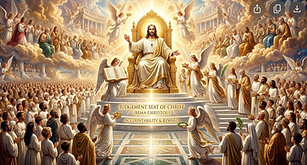
The Judgment Seat of Christ (often referred to in Greek as the Bema Seat) is a foundational doctrine in Christian eschatology.
The Bema Seat (from the Greek word bēma, meaning "judgment seat" or "raised platform") refers to the judgment of believers before Jesus Christ.
It is distinct from the Great White Throne Judgment (which determines salvation or condemnation for unbelievers). At the Bema Seat, a believer's eternal salvation is already secure; the judgment is not punitive for sin, but an evaluation of a believer's earthly life, motives, and service to determine heavenly rewards.
1. Biblical Foundation
The concept is primarily found in two key New Testament passages:
2 Corinthians 5:10:
"For we must all appear before the judgment seat (bēma) of Christ, so that each one may receive what is due for what he has done in the body, whether good or evil [worthless]."
Romans 14:10, 12:
"For we will all stand before the judgment seat (bēma) of God... So then, each of us will give an account of himself to God."
2. What Exactly Will Jesus Judge?
A. The Quality of Works and Service (1 Corinthians 3:11–15)
The Apostle Paul describes the Bema evaluation like a fire testing building materials laid upon the foundation of Christ:
Enduring Materials (Gold, Silver, Precious Stones): Deeds done out of love for God, obedience to His Word, and selfless service to others. These survive the test of fire and receive a reward.
Perishable Materials (Wood, Hay, Straw): Superficial, carnal, or self-serving deeds. These burn away. The Scripture notes that if someone’s work is burned up, "he will suffer loss, though he himself will be saved, but only as through fire" (1 Cor. 3:15).
B. The Motives of the Heart
Jesus will examine why actions were done, not just what was done:
1 Corinthians 4:5: The Lord "will bring to light the things now hidden in darkness and will disclose the purposes of the heart. Then each one will receive his commendation from God."
Good deeds performed for personal pride, human praise, or selfish ambition will hold no eternal value.
C. Faithfulness and Stewardship
Christ evaluates how well believers managed the gifts, resources, time, and responsibilities entrusted to them:
Parable of the Talents & Minas (Matthew 25:14–30, Luke 19:11–27): Rewards are based on faithfulness with what one was given, whether large or small ("Well done, good and faithful servant...").
D. Conduct, Words, and Attitudes Toward Others
Speech: How believers used their words to build up or tear down (Matthew 12:36).
Treatment of Fellow Believers: Showing mercy, avoiding unjust judgment, and loving others (Romans 14:10–13, James 2:12–13).
3. The Outcome: Eternal Rewards ("Crowns")
In the ancient Greco-Roman world, the bēma was the seat where Olympic judges awarded victory wreaths (crowns) to winning athletes. In the New Testament, the rewards given at the Bema are often described as crowns:
The Imperishable Crown (1 Corinthians 9:24–25) — For self-discipline and perseverance in the Christian race.
The Crown of Rejoicing (1 Thessalonians 2:19) — For sharing the Gospel and bringing others to faith.
The Crown of Righteousness (2 Timothy 4:8) — For those who eagerly love and anticipate Christ’s appearing.
The Crown of Life (James 1:12, Revelation 2:10) — For enduring trials and persecution faithfully.
The Crown of Glory (1 Peter 5:4) — For faithfully shepherding and leading God's people.
The Judgment Seat of Yeshua (Bema Seat)
The Judgment Seat of Yeshua (often called the Bema Seat) is a foundational event in biblical eschatology.
Crucially, in the Scriptures, this judgment is not a trial to determine eternal salvation or damnation to the Lake of Fire; rather, it is a personal evaluation of believers and disciples of Yeshua regarding their faithfulness, their obedience to His commandments, their motives, and how they built upon the foundation of faith during their earthly walk.
1. Scriptural Foundation
Two primary passages define the Judgment Seat of Yeshua:
"For we must all appear before the judgment seat of Yeshua, so that each one may receive what is due for what he has done in the body, whether good or evil."
— 2 Corinthians 5:10
"For we will all stand before the judgment seat of God... So then each of us will give an account of himself to God."
— Romans 14:10, 12
2. The Ancient Meaning of the Bema Seat
In the ancient Greco-Roman world (such as Corinth, where the Apostle Paul ministered), a bema was a raised platform or official bench where a ruler, judge, or athletic magistrate sat to:
Hear public matters and administer righteous decisions.
Award prizes and victor's crowns to athletes who ran the race lawfully according to the established rules.
Paul used this vivid picture to show that when disciples finish their earthly race, Yeshua evaluates their endurance, integrity, and obedience to crown those who ran faithfully.
3. The Test of Fire: Rewards vs. Loss of Reward
In 1 Corinthians 3:11–15, Scripture outlines the standard by which all works will be evaluated:
4. The Biblical Crowns (Stephanoi / Victor's Wreaths)
The New Testament describes several crowns awarded to those who walk in faithfulness and overcome:
The Crown Biblical Reference Given To / For
The Incorruptible Crown 1 Corinthians 9:25 Self-discipline, overcoming the flesh, and running the race with holy focus.
The Crown of Rejoicing 1 Thessalonians 2:19 Soul-winners and disciples who lead others to the truth of Yeshua.
The Crown of Righteousness 2 Timothy 4:8 Those who love, watch for, and eagerly anticipate His glorious appearing.
The Crown of Life James 1:12; Rev. 2:10 Over comers and martyrs who remain steadfast through severe trials and persecution.
The Crown of Glory 1 Peter 5:4 Faithful shepherds, elders, and teachers who lead God's people in truth and humility.
Aspect What It Is What It Is Not
Purpose Evaluating works, motives, and stewardship for rewards Determining salvation vs. damnation
Participants Believers / Church Unbelievers
Basis Faithfulness, love, and obedience in Christ Guilt or condemnation for forgiven sins
Result Heavenly rewards, crowns, and eternal commendation (or loss of rewards)Cast into eternal punishment
bottom of page